The Confidence Trap: Why Being 'Certain' About a Bet Is the Most Expensive Feeling in Sports Betting
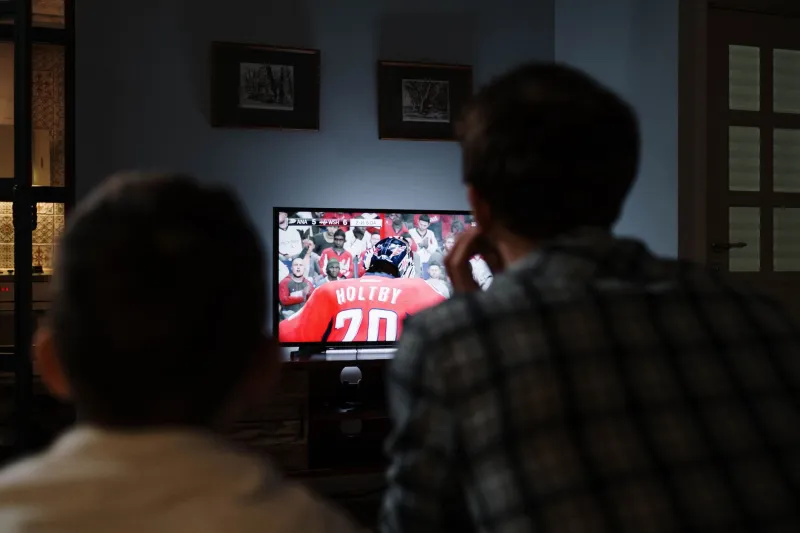
There's a moment every sports bettor knows. You're staring at a line, and something clicks. The matchup is perfect. The stats line up. The injury report is clean on your side. You've watched this team for years, and you just know. That feeling — warm, settled, almost smug — is one of the most expensive sensations in all of sports betting.
Because here's the thing: your confidence level and the actual probability of an outcome are two completely different numbers. One lives in your head. The other lives in reality. And the market doesn't care which one you're running on.
Confidence Is a Feeling. Probability Is a Number.
Let's start with something that sounds obvious but rarely lands the way it should: being 90% sure about something doesn't make it 90% likely to happen.
Your internal confidence meter is built from memory, emotion, pattern recognition, and a whole lot of cognitive shortcuts your brain takes without telling you. It's not a calibrated instrument. It's a vibe. And vibes, as any burned bettor will tell you, do not cash tickets.
Real probability — the kind that actually matters when money is on the line — is determined by the full range of outcomes, the quality of information available to everyone in the market, and the efficiency with which sportsbooks have already priced that information into the line. By the time you feel certain about a bet, there's a good chance the market already knew what you know and adjusted accordingly.
So your certainty isn't an edge. It's just certainty.
The 2023 NFC Championship Game and the Anatomy of a 'Lock'
Consider what happened to countless bettors heading into the 2023 NFC Championship. The Philadelphia Eagles were a dominant team. Their offensive line was historically good. Their opponent, the San Francisco 49ers, were dealing with a quarterback situation that made a lot of bettors feel like this was free money. Forums were full of people calling it a lock. Bet sizing was aggressive. Confidence was sky-high.
The Eagles lost. And a lot of people who had been cautious all season torched a significant chunk of their bankroll on a single game they were certain about.
This isn't a knock on Philadelphia fans or anyone who made that bet. It's an illustration of something statistical: the bets you feel best about tend to attract the most money, which means you're often betting into an already-efficient market with inflated stakes. The potential damage isn't just the loss itself — it's the disproportionate sizing that comes with high conviction.
Why High Conviction Leads to Bad Bet Sizing
Most bettors don't keep flat stakes across all their plays. They size up when they feel confident. That's almost understandable from a psychological standpoint — if you really believe in something, why not go bigger?
Because variance doesn't negotiate with belief systems, that's why.
A standard Kelly Criterion approach — the mathematical framework professional bettors use to size wagers — is based on your actual edge over the market, not how strongly you feel about the outcome. If you have a genuine 5% edge on a bet, Kelly tells you to bet a specific percentage of your bankroll. It doesn't care if you feel 50% confident or 100% confident. The math is the math.
When bettors let emotional certainty drive stake size, they're essentially borrowing against a feeling. And feelings don't pay out.
The result is a pattern that shows up in betting records everywhere: a handful of high-confidence, oversized bets wipe out weeks of disciplined, smaller-stakes wins. The variance on those big bets didn't change just because you were sure. It stayed exactly the same. You just had more money riding on it.
The Sportsbook Knows You're Confident
Here's something worth sitting with: the lines you feel best about are often the ones where the book has the most information on its side.
Sportsbooks aren't setting lines in a vacuum. They're watching where the sharp money goes, adjusting for public bias, and pricing in every data point available. When a game attracts massive public betting on one side — which tends to happen when everyone agrees it's a lock — books shade the line to collect more juice from the confident side.
In other words, your certainty is a revenue stream for the house. The more people agree that something is obvious, the more the book can afford to push the line in a direction that still gets action while improving their margin.
You're not betting against the other team at that point. You're betting against the collective confidence of every other bettor who felt exactly like you did.
What High Confidence Should Actually Tell You
This isn't an argument for betting on things you know nothing about. Knowledge matters. Research matters. Understanding matchups, line movement, and market context genuinely helps.
But the moment that knowledge tips into certainty — into the feeling that the outcome is basically already decided — that's your signal to pause and stress-test the position.
Ask yourself:
- What would have to be true for me to be wrong here?
- Have I actually found an edge, or am I just agreeing with the consensus?
- Is my stake size based on expected value, or on how good this feels?
If the answers to those questions feel uncomfortable, that's useful information. Discomfort is often where real analysis lives. Certainty, paradoxically, is often where lazy thinking hides.
The Bets That Hurt Most Are the Ones You Were Sure About
Ask any long-term bettor about their worst losses. Rarely do they mention the random flier they took on a Thursday night underdog. Almost always, the stories that sting involve the bets they were sure about. The ones where they loaded up. The ones where losing felt genuinely impossible.
That's not a coincidence. It's the confidence trap in action.
At R2PBet, the edge isn't in finding games you feel great about. It's in finding games where the number is wrong relative to the actual probability — and sizing appropriately regardless of how that feels. That's a discipline that runs directly counter to human instinct, which is exactly why most bettors never fully develop it.
The goal isn't to bet with less confidence. It's to stop letting confidence be the variable that controls how you bet. Keep your analysis sharp, your stakes measured, and your certainty in check. The games you feel best about deserve the same scrutiny as every other play on the board — maybe a little more.